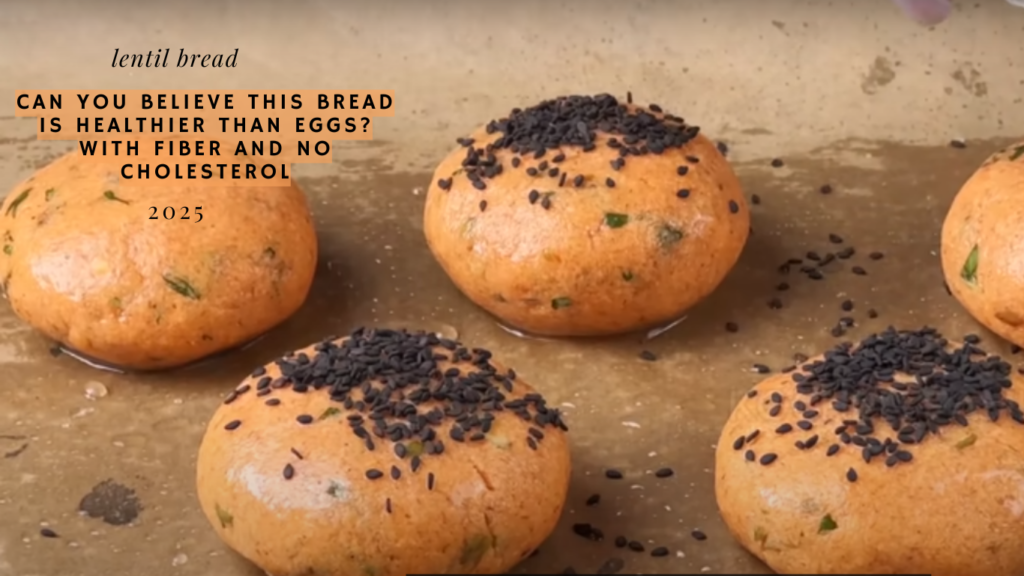
Discover the health benefits of protein-packed lentil bread—gluten-free, fiber-rich, and anti-inflammatory. Learn why this ancient superfood is a healthy bread alternative for weight loss, digestion, and longevity.
Includes full recipe, nutrition facts, and expert-backed benefits.
Table of Contents
Rethinking Bread as We Know It
Bread has been a staple food for thousands of years, but modern bread is not what it used to be. Today’s store-bought loaves are often filled with refined flour, preservatives, added sugars, and processed oils that do more harm than good. For many people, eating bread means dealing with weight gain, unstable blood sugar, and even digestive discomfort.
But what if bread could be healing instead of harmful?
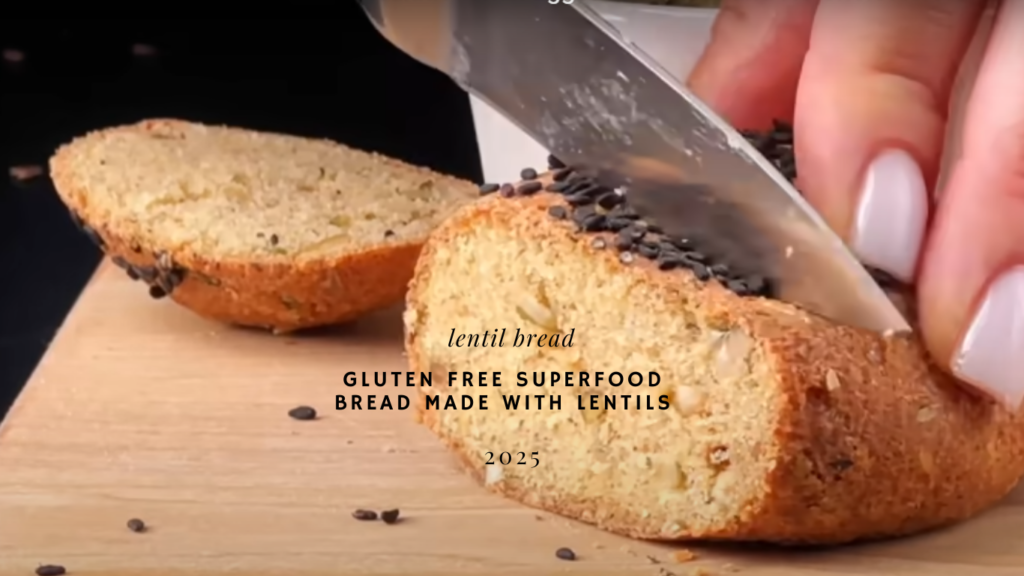
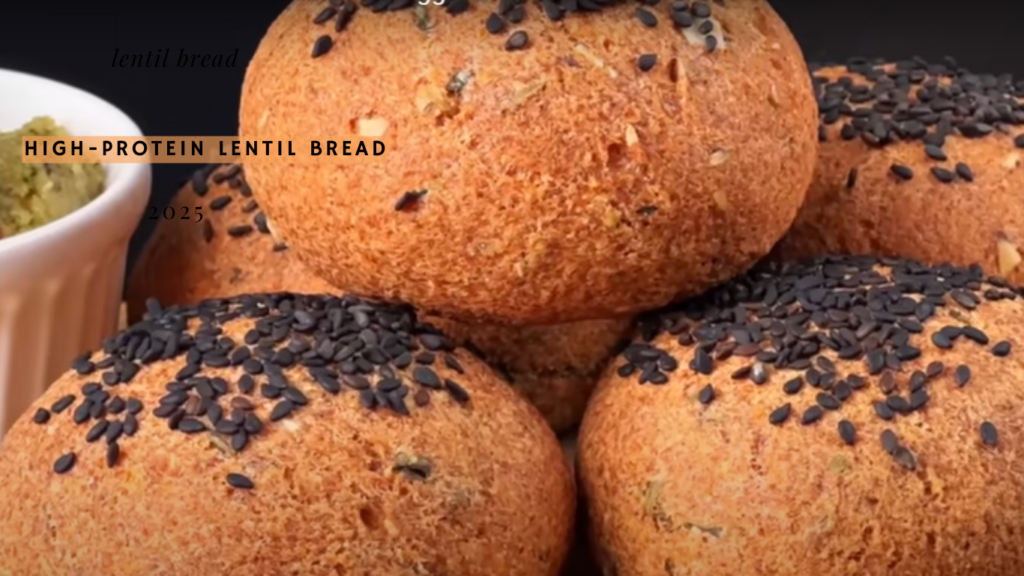
Enter lentil bread—a high-protein, gluten-free, fiber-rich alternative that not only tastes delicious but also fuels the body with complete nutrition. This ancient superfood bread is made with simple ingredients like lentils, olive oil, lemon juice, garlic, and psyllium husk. Unlike traditional bread, lentil bread supports digestion, balances blood sugar, reduces inflammation, and provides long-lasting energy.
In this in-depth guide, we’ll explore:
- Why lentil bread is considered a superfood alternative to regular bread.
- The nutritional and health benefits backed by science.
- How lentil bread supports weight loss, gut health, and healthy aging.
- A complete step-by-step recipe card to make it at home.
- Expert insights, real-life success stories, and frequently asked questions.
By the end, you’ll see why this bread is becoming the go-to choice for health-conscious individuals worldwide.
The Problem With Regular Bread
To understand why lentil bread is revolutionary, we first need to look at what’s wrong with conventional bread.
1. Refined Flour and Blood Sugar Spikes
White bread is made from refined flour, which is stripped of its natural fiber and nutrients. This causes rapid spikes in blood sugar, followed by energy crashes. Over time, this can contribute to insulin resistance, type 2 diabetes, and weight gain.
2. Hidden Additives and Preservatives
Most store-bought breads contain chemical additives to improve texture, extend shelf life, or add flavor. Unfortunately, these additives often disrupt the gut microbiome, leading to inflammation and digestive issues.
3. Gluten Sensitivity
Gluten, the protein found in wheat, barley, and rye, is a common trigger for bloating, fatigue, skin issues, and even joint pain. Studies suggest that 1 in 3 adults may have some sensitivity to gluten, even without full-blown celiac disease.
4. Low Nutrient Density
Despite being high in calories, regular bread is often low in essential nutrients. It provides “empty calories” with little benefit for the body.
This is why people are increasingly turning toward superfood bread alternatives like lentil bread.
Why Lentil Bread is a Superfood Alternative
Lentils have been eaten for thousands of years in Mediterranean, Middle Eastern, and Indian cuisines. They are considered one of the oldest cultivated crops in the world, and for good reason.
When lentils are prepared properly, they unlock an incredible amount of protein, fiber, and micronutrients. Turning them into bread makes them a nutrient-dense, gluten-free replacement for traditional loaves.
Here’s why lentil bread is different:
- Protein-packed: Two slices contain as much protein as a chicken breast.
- Fiber-rich: One slice has more fiber than most people eat in an entire day.
- Gluten-free: Made with psyllium husk instead of wheat gluten.
- Gut-healing: Feeds good bacteria in the microbiome.
- Anti-inflammatory: Garlic, olive oil, basil, and lemon juice work together to reduce inflammation.
- Budget-friendly: Costs less than 40 cents per loaf.
It’s rare to find a bread that is both delicious and medicinal—but lentil bread fits the bill perfectly.
Nutritional Benefits of Lentil Bread
Let’s break down the science-backed health benefits of the main ingredients.
1. Lentils: The Plant-Based Protein Powerhouse
- Contain all essential amino acids when paired with seeds.
- High in resistant starch, which improves insulin sensitivity.
- Rich in B vitamins, magnesium, and iron.
- Provide 50% of daily fiber needs in just one cup.
2. Olive Oil: Heart and Brain Protection
- Rich in monounsaturated fats that reduce cholesterol.
- Anti-inflammatory compounds protect joints.
- Supports memory and brain health with age.
3. Lemon Juice: Nutrient Absorption Booster
- Doubles the body’s absorption of iron from lentils.
- Provides vitamin C for immunity and skin health.
4. Psyllium Husk: Nature’s Fiber
- Creates elasticity without gluten.
- Improves bowel regularity and gut microbiome health.
- Helps lower cholesterol naturally.
5. Garlic: Natural Medicine
- Contains allicin, known to reduce blood pressure.
- Fights infections and boosts immunity.
- Powerful anti-inflammatory effects.
6. Pumpkin Seeds: Mineral-Rich Superfood
- Higher in zinc than oysters.
- Improve memory, healing, and immune strength.
- Provide magnesium for better sleep and muscle relaxation.
7. Black Sesame Seeds: Bone Health Booster
- Contain more calcium than dairy.
- Support strong bones and healthy joints.
- Healthy fats help absorb fat-soluble vitamins (A, D, E, K).
8. Basil and Herbs: Antioxidant Power
- Fresh basil reduces inflammation.
- Improves mental clarity and mood.
- Provides powerful polyphenols that slow aging.
Step-by-Step Recipe: How to Make Lentil Bread
Here’s the full recipe:
🌿 Protein-Packed Lentil Bread Recipe
Prep Time: 10 minutes
Cook Time: 40 minutes
Soak Time: 4 hours
Total Time: ~5 hours
Servings: 5 small loaves (round breads)
Ingredients
- 1 cup (200g) lentils (soaked for 4–6 hours, drained and rinsed)
- ¼ cup water (to blend)
- 2 tbsp olive oil
- 1 tsp lemon juice
- 1 tbsp psyllium husk
- 1 garlic clove, minced
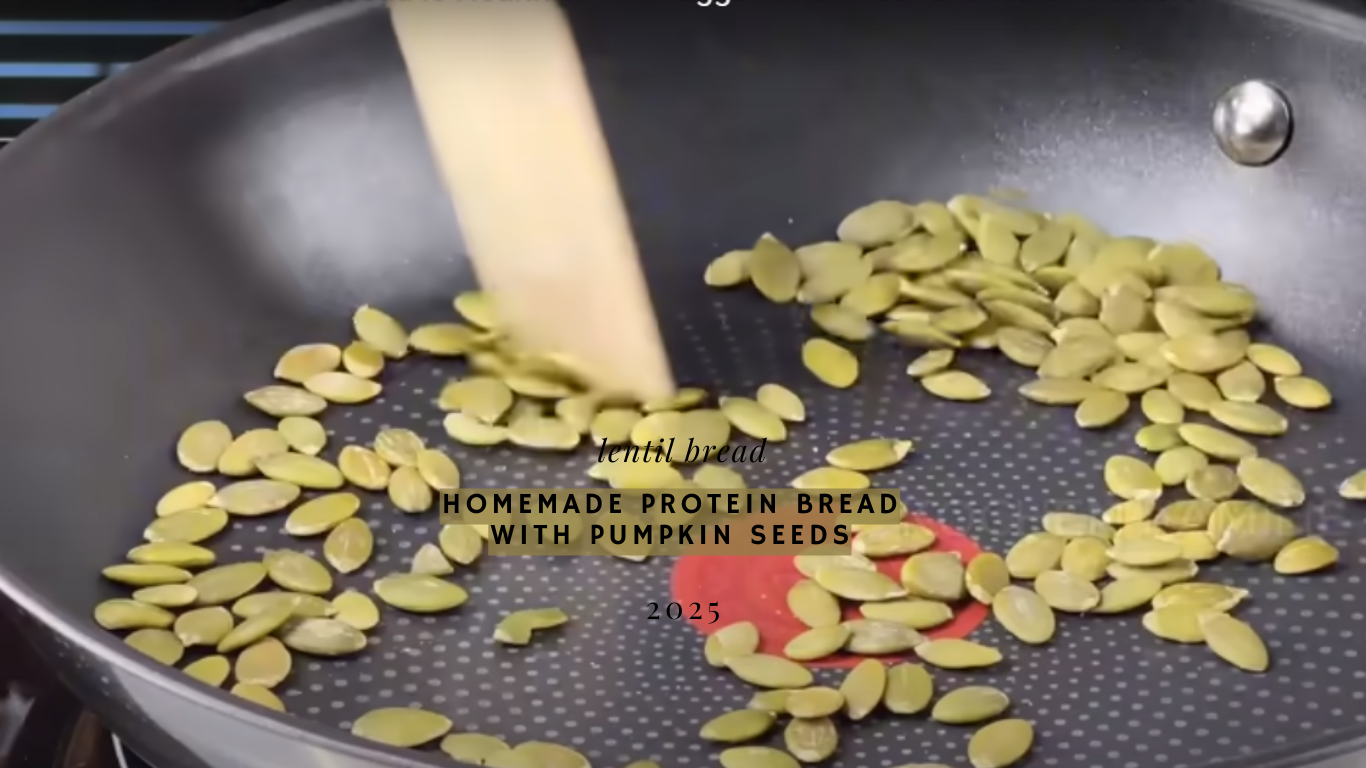
- 2 tbsp pumpkin seeds
- 1 tbsp black sesame seeds (for topping)
- 1 tbsp fresh basil, chopped
- Salt and black pepper to taste
Instructions
- Soak Lentils: Place lentils in water for 4–6 hours until they double in size. Drain and rinse well.
- Blend: Add lentils, water, olive oil, lemon juice, garlic, basil, and seasoning to a blender. Blend until smooth.
- Mix: Stir in psyllium husk and pumpkin seeds. Let sit for 5 minutes to thicken.
- Shape: Form small round loaves. Place on parchment paper.
- Top: Brush with water and sprinkle black sesame seeds for crunch and calcium.
- Bake: Bake at 375°F (190°C) for 35–40 minutes until golden brown.
- Cool: Allow to cool completely before slicing.
Nutrition (per slice, approx.)
- Calories: 150
- Protein: 12g
- Fiber: 8g
- Fat: 6g (healthy fats)
- Carbs: 18g (low GI)
How Lentil Bread Supports Health After 50
Many of my readers are looking for ways to stay energetic, strong, and healthy as they age. Lentil bread is particularly powerful for adults over 50 because:
- Prevents energy crashes: Keeps blood sugar stable.
- Supports bone health: Calcium and magnesium protect against osteoporosis.
- Improves digestion: High fiber promotes a healthy gut.
- Reduces inflammation: Crucial for joint health and mobility.
- Supports brain health: Olive oil, basil, and walnuts (if used in pesto) boost memory.
This is why many call it the “fountain of youth bread.”
Real-Life Success Stories
- Susan from Texas replaced regular bread with lentil bread and lost 40 pounds in just six months.
- Mary, age 72, reported her brain fog disappeared after only three weeks of eating it daily.
- My grandmother lived to 103 years old while enjoying lentils daily—without joint pain or chronic illness.
Frequently Asked Questions (FAQ)
1. Is lentil bread gluten-free?
Yes, lentil bread is 100% gluten-free and suitable for people with celiac disease or gluten sensitivity.
2. Can I make this bread without psyllium husk?
Psyllium helps bind the bread. If unavailable, substitute with ground chia seeds or flaxseeds.
3. Does it taste like regular bread?
It has a nutty, hearty flavor with a chewy texture. It won’t taste like white bread, but many find it more satisfying.
4. How do I store lentil bread?
Keep in an airtight container at room temperature for 2 days or in the fridge for up to a week. It also freezes well.
5. Can I use other herbs or spices?
Yes! Add rosemary, thyme, oregano, or even chili flakes for variety.
Tips for Success
- Soak lentils thoroughly to soften and reduce cooking time.
- Always cool bread before slicing for best texture.
- Use high-quality olive oil for maximum health benefits.
- Toast slices and enjoy with avocado, pesto, or hummus.
Conclusion: Bread That Heals
Lentil bread isn’t just a recipe—it’s a lifestyle change. Instead of consuming empty calories from refined bread, you’re fueling your body with protein, fiber, minerals, and antioxidants that promote longevity and vitality.
At under $2 for five loaves, this bread is proof that healthy eating doesn’t have to be expensive. It’s a superfood bread alternative that supports weight loss, digestion, mental clarity, and heart health—without sacrificing taste.
👉 Try making this high-protein lentil bread today and see how it transforms your meals, your energy, and your health.